
Emara was founded in Heliopolis, and that is where we remain. It is impossible to practise architecture from this district without absorbing its lessons: the arcaded streets, the generous proportions, and the conviction that a building should give something to the street it stands on.
Our first major commissions were industrial — the Manar Tex Factory in 10th of Ramadan City, then the Abu Simbel Factory in Qalyub. Egypt's new industrial cities of the late eighties were an education in structure, economy, and scale. Industrial work teaches an unforgiving discipline: every element must earn its place.
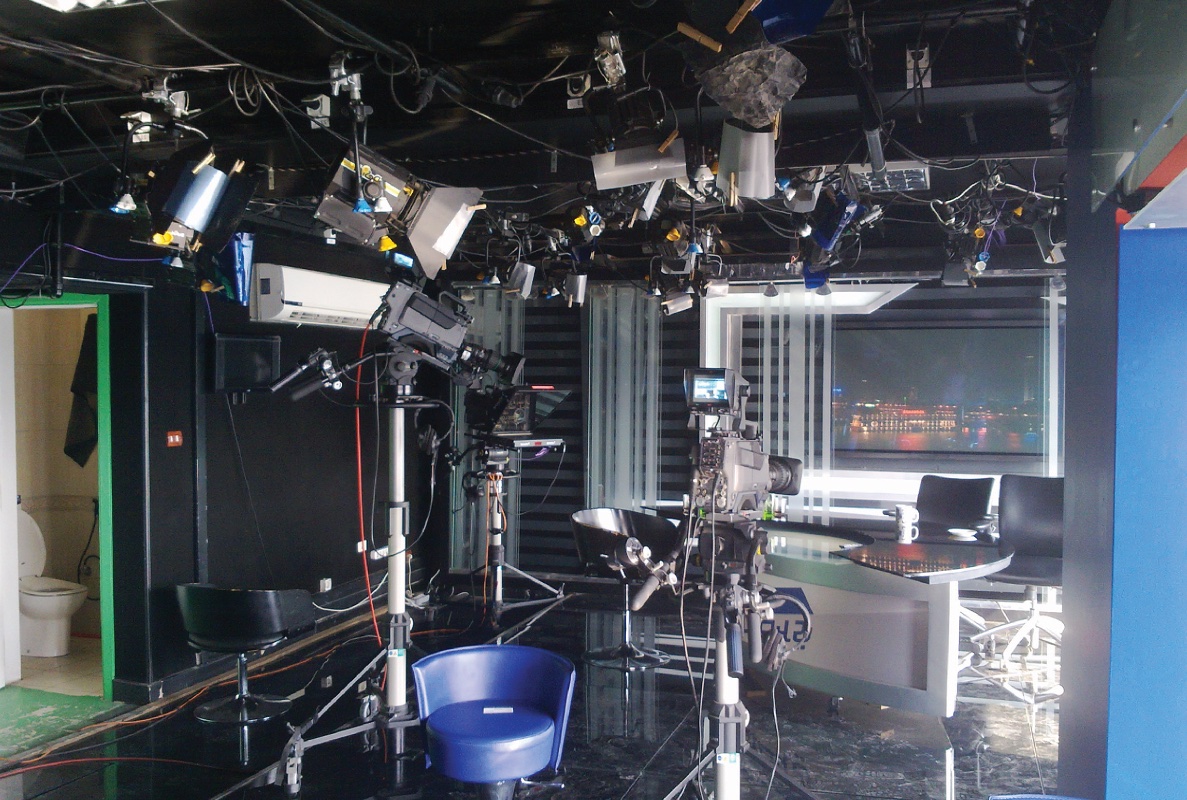
The nineties and two-thousands carried the practice into homes — villas and palaces in Al-Badrashin, Shorouk, New Cairo, and Mina Garden City. Residential work is the opposite education: it is all intimacy, detail, and the daily habits of a family translated into rooms. Between these two poles — the factory and the villa — sit the offices, studios, and clinics we have delivered across the city, from Al Arabiya's newsrooms in Maspero to medical environments in El Mohandeseen.
Cairo has changed enormously in forty years, and the city's growth eastward and westward into the desert has changed what clients need from us. But the fundamentals we learned in Heliopolis have not moved: build honestly, detail carefully, and leave the street better than you found it.